


What does it feel like to put on an exoskeleton? For this reporter, running became lighter, squatting came with support, and climbing several flights of stairs barely required catching one's breath. With each step, a motor at the knee quietly delivered power; with every landing, the frame steadied the body.
This kind of "mecha," once confined to science fiction, is now a real product at an exoskeleton company in Shenzhen. In less than a month, the 33rd APEC Economic Leaders' Meeting will be held in the city -- China's third time hosting APEC and the first time the event comes to the Guangdong-Hong Kong-Macao Greater Bay Area.
"The real endpoint of technology is not to replace humans but to augment them," said the head of the Nanshan-based company, founded in 2021, which has become the world's top-selling consumer exoskeleton brand with more than 60 percent market share and products sold in over 70 countries and regions.
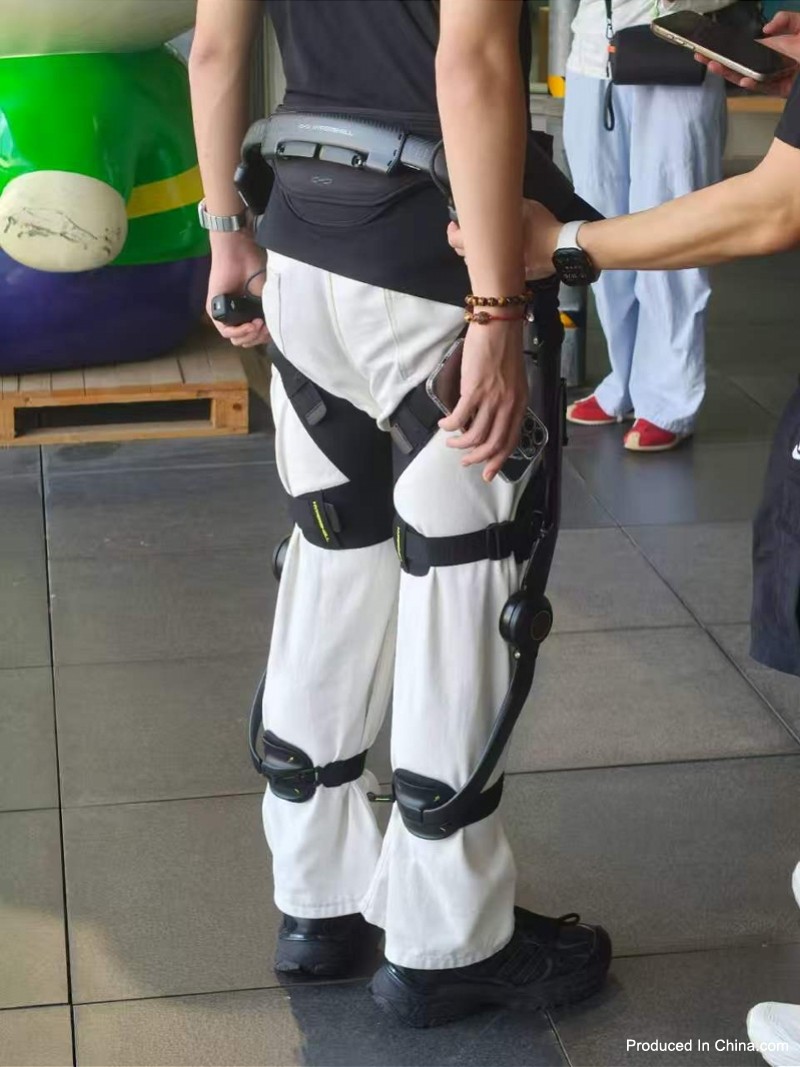
Its full lower-limb exoskeleton released in September delivers assistance when the leg lifts and cushions impact on landing, with no manual operation required. The key is an end-to-end AI motion control algorithm that anticipates the wearer's intent about 0.2 seconds in advance and adjusts assistance up to 2,500 times per second.
The warmth of technology shows most clearly in emergencies. After a major fire in Hong Kong in November 2025, the company donated 200 exoskeleton units overnight, moving them from loading to the front line in three hours -- one of the largest applications of powered exoskeletons in disaster relief.
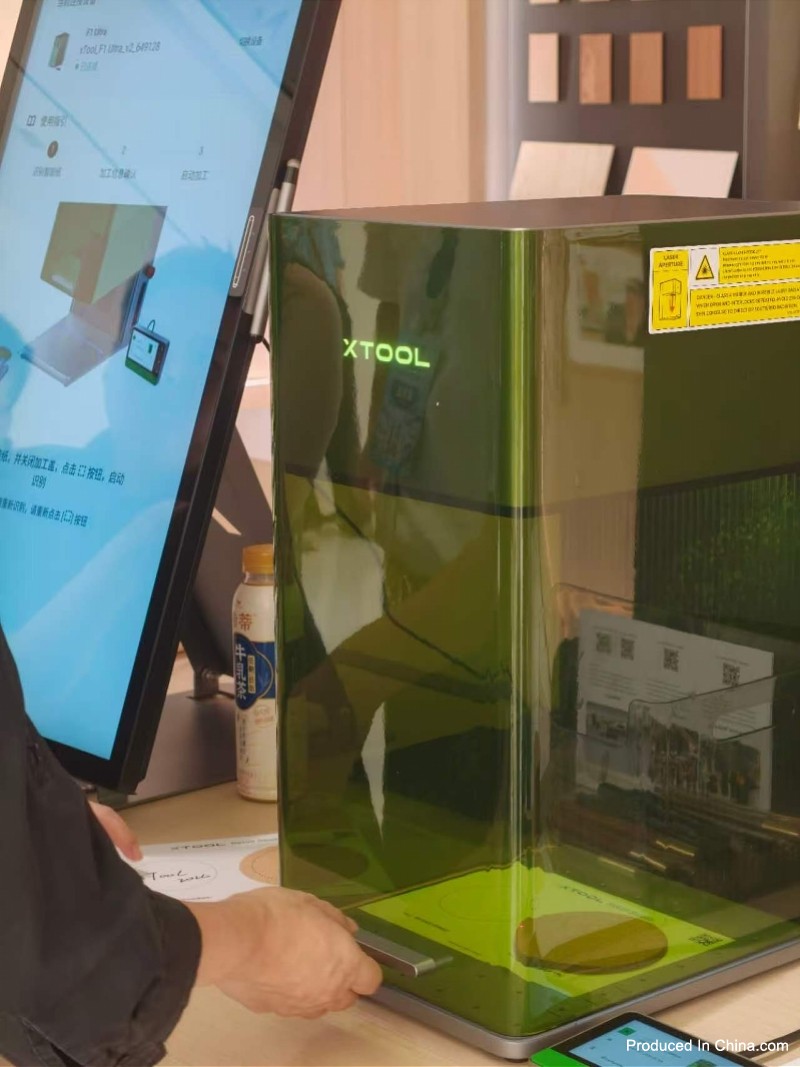
If exoskeletons let AI "read" the body, another Shenzhen company lets AI "hear" creativity. At the demo, this reporter typed a rough idea into software; the built-in AI generated a design, and a desktop laser engraver etched it onto an eco-friendly coaster in under 30 seconds.
"In the past these tools were the preserve of geeks -- maybe one in a hundred or two hundred people could use them," the company's head said. By combining hardware, software and embedded AI, the threshold has fallen to "half an hour from zero experience." Its laser engravers have ranked first globally in market share for years, and its O1 all-material printer topped 100 million yuan in first-day sales this year.
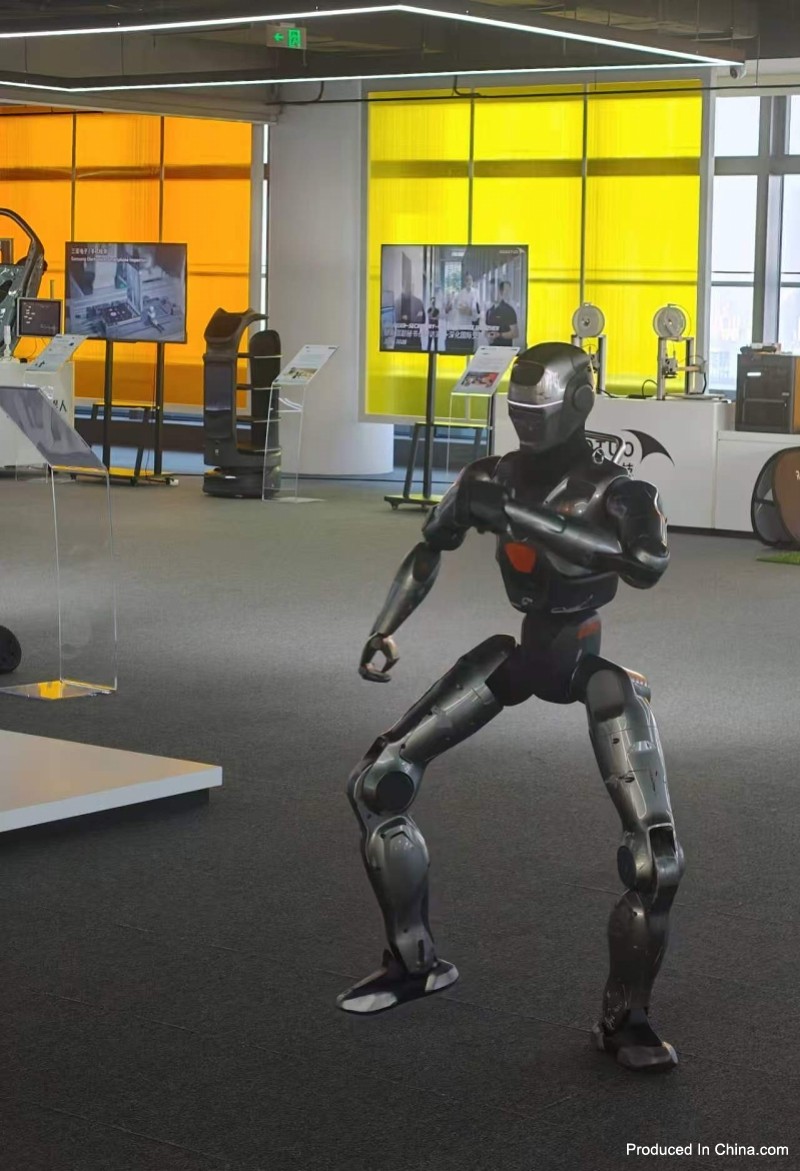
The final stop was the Robot Valley exhibition hall between Tanglang Mountain and Yangtai Mountain. Inside, a humanoid robot wrote the character for "fortune" with a brush, a retail robot scanned codes and helped shoppers, a cooking robot with 250-plus recipes turned out up to 5 kg per dish, the world's first boundary-free robotic mower cruised the lawn, and an underwater robot capable of operating at 200 meters demonstrated its reach.
From core components to complete machines, from industrial vehicles to consumer products, Shenzhen's robot cluster shows how a complete industrial chain -- where suppliers are literally upstairs and downstairs -- accelerates iteration and cuts time to market.
For global buyers and manufacturers, the visit underlined a broader shift: Chinese manufacturing competitiveness increasingly rests on artificial intelligence embedded across products, production lines and entire industrial parks, not on cost alone.

