


Recently, the argument that globalization is receding has gained ground again. Some countries keep playing up supply chain risks, broadening export controls on national security grounds and erecting trade barriers in the name of industrial competition. Global trade appears to be pushed toward a more closed direction.
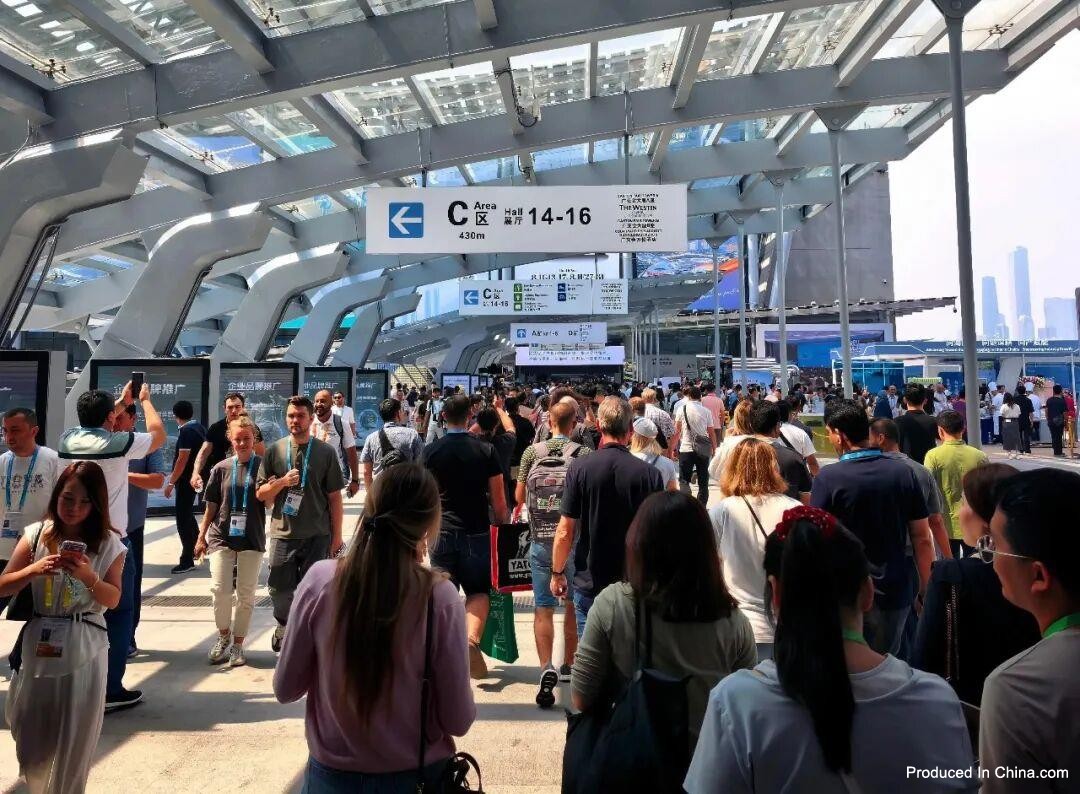
But look at the Canton Fair and a different picture emerges. On social media, users posted videos of uniformed Brazilian buying delegations and of Guangzhou metro cars packed with people shuttling to and from the exhibition halls, remarking that it felt like Spring Festival travel. By Oct. 19, more than 100,000 overseas buyers had registered.
That intensity, at a time when anti-globalization rhetoric is loud and supply chains are being reorganized, is worth examining. It suggests the reality of globalization cannot be read only from the political narratives of certain countries.
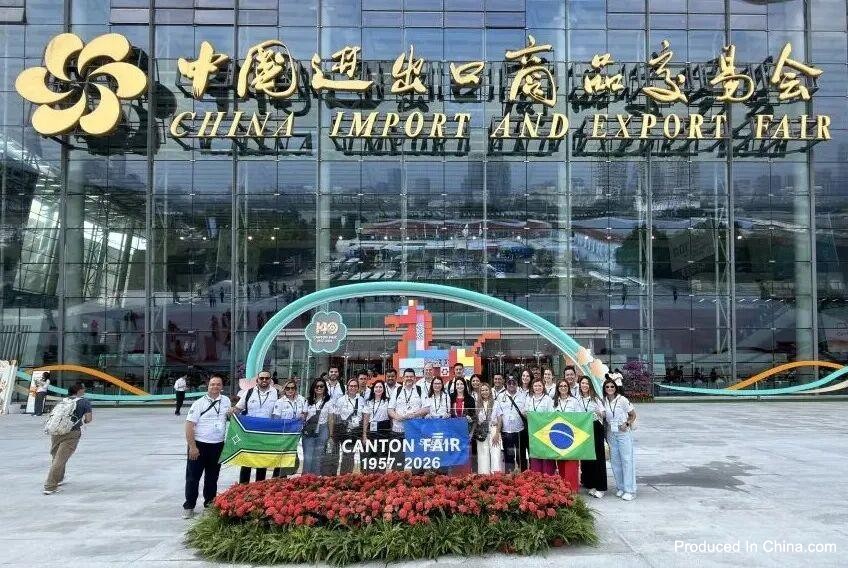
Looking at globalization through the Canton Fair raises three questions: what is being exchanged, what drives growth, and what sustains it?
In his congratulatory letter to this year's fair, President Xi Jinping said the Canton Fair has become "an effective platform for building an open world economy."
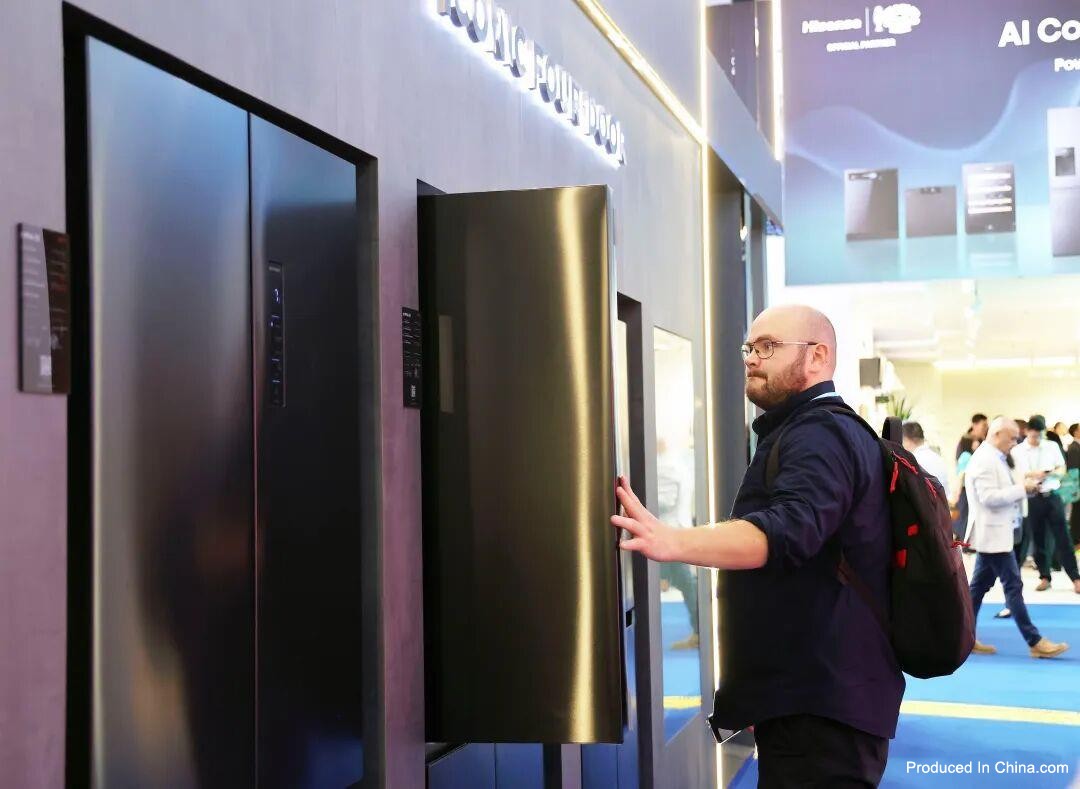
At this edition, a Russian distributor shared his story. He used to import about 10,000 refrigerators a year from China. Later he proposed building a production line locally: Chinese companies supply key components and engineers, local firms build the line and hire workers, and packaging cartons and small injection-molded parts are sourced locally. Today that line still assembles about 10,000 refrigerators a year.
The number is unchanged, but the economic relationship behind it is not. The first 10,000 were finished goods exported from China; the second 10,000 combine Chinese components, technology and engineering capability with local Russian enterprises.
This addresses a common misreading of China's trade. Export-import balances capture flows, but when a shipment keeps participating in production for years afterward, the relationship goes beyond trade itself.
A representative of Brazil's small business service agency told reporters that direct engagement with manufacturers has become a major trend for Brazilian companies coming to China, helping them understand production processes, negotiate specifications, assess quality and develop products suited to local demand.
Of the 32,000 exhibitors at this session, 36.5 percent have shifted to a "product plus service" model, and nearly 20 percent have made outbound investments that support more than 200,000 jobs locally.
This is what might be called the globalization of production capacity. An OECD report found that China's participation in global value chains rises significantly once the ongoing contribution of equipment, software and R&D is taken into account -- evidence that China is moving from exporting goods to exporting the ability to produce.
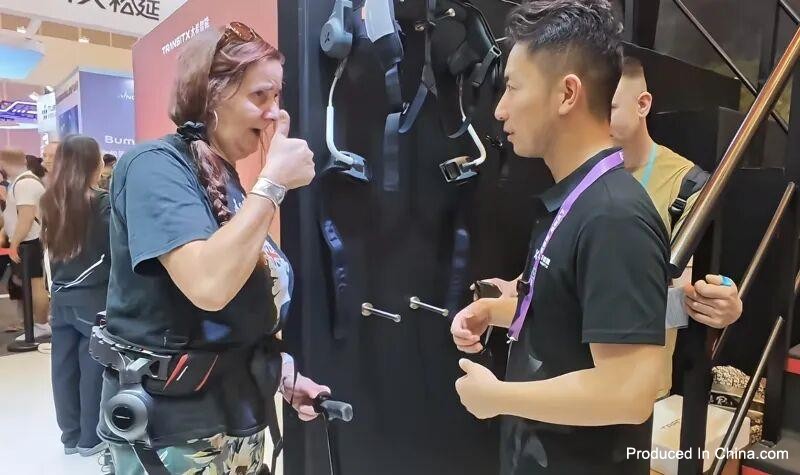
The fair also shows a shift from competing for demand to creating it. One much-remembered moment: a British woman with limited mobility after a stroke tried an exoskeleton at the venue, walked slowly with robotic assistance and even climbed stairs step by step. Her son ordered on the spot.

