


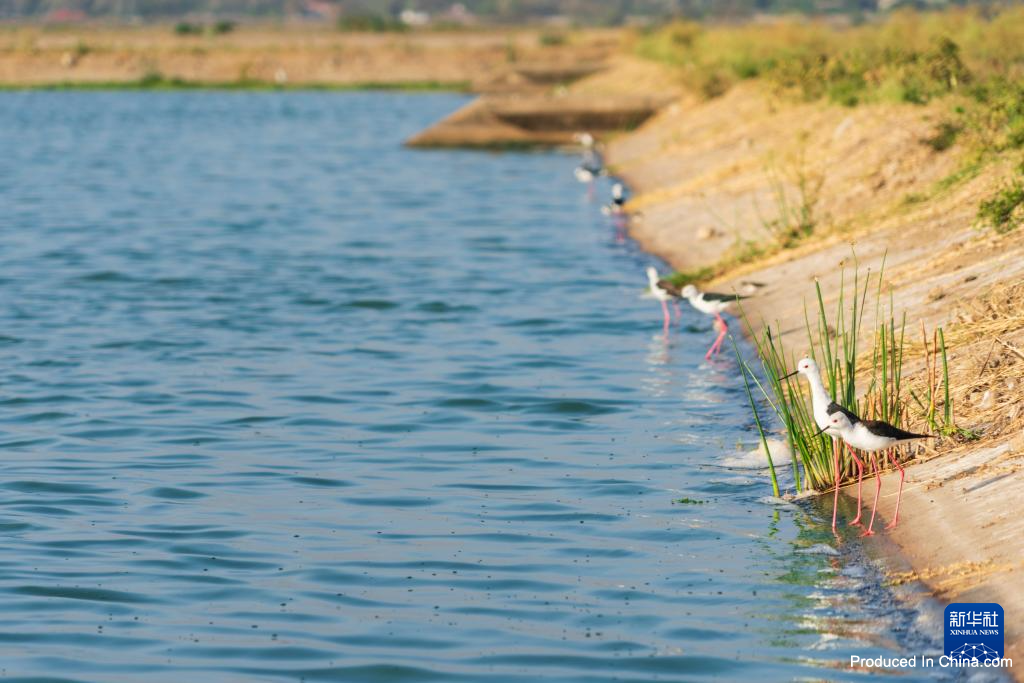
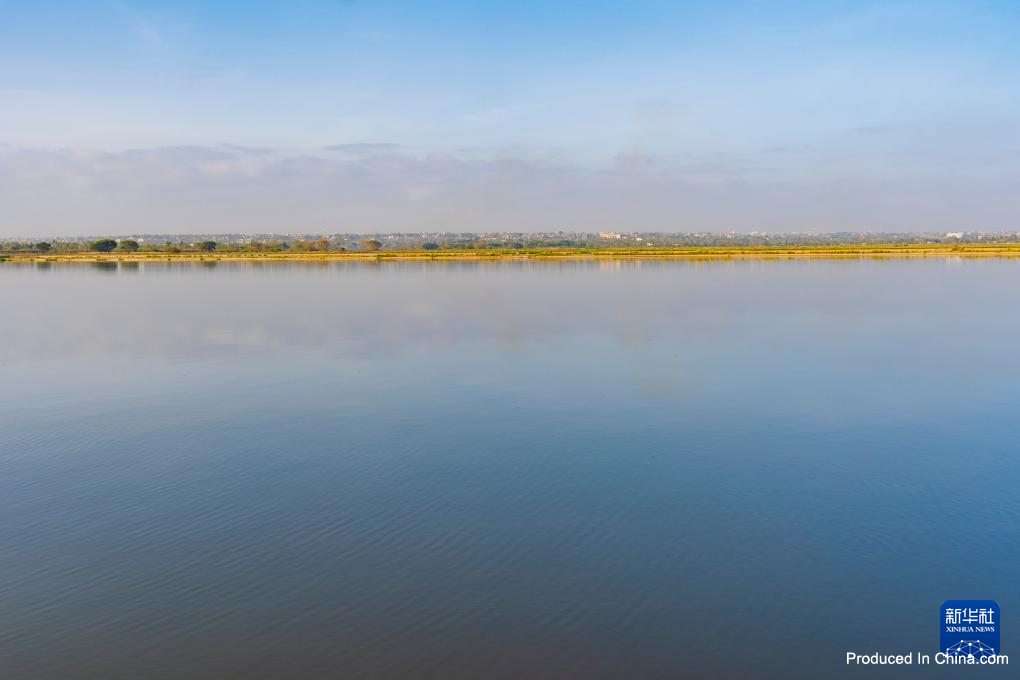

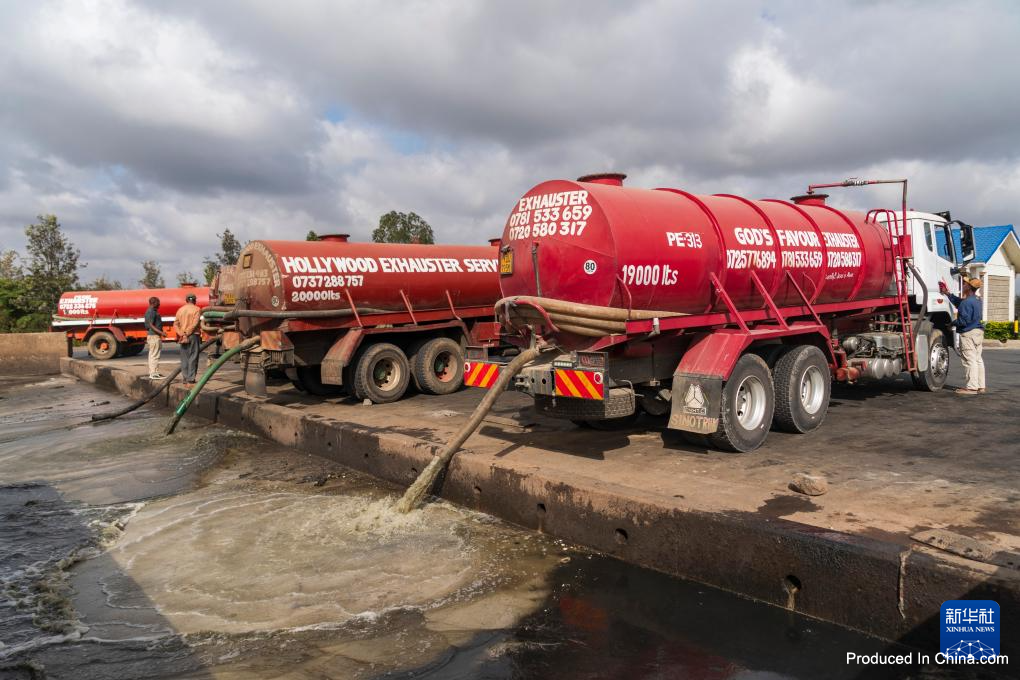
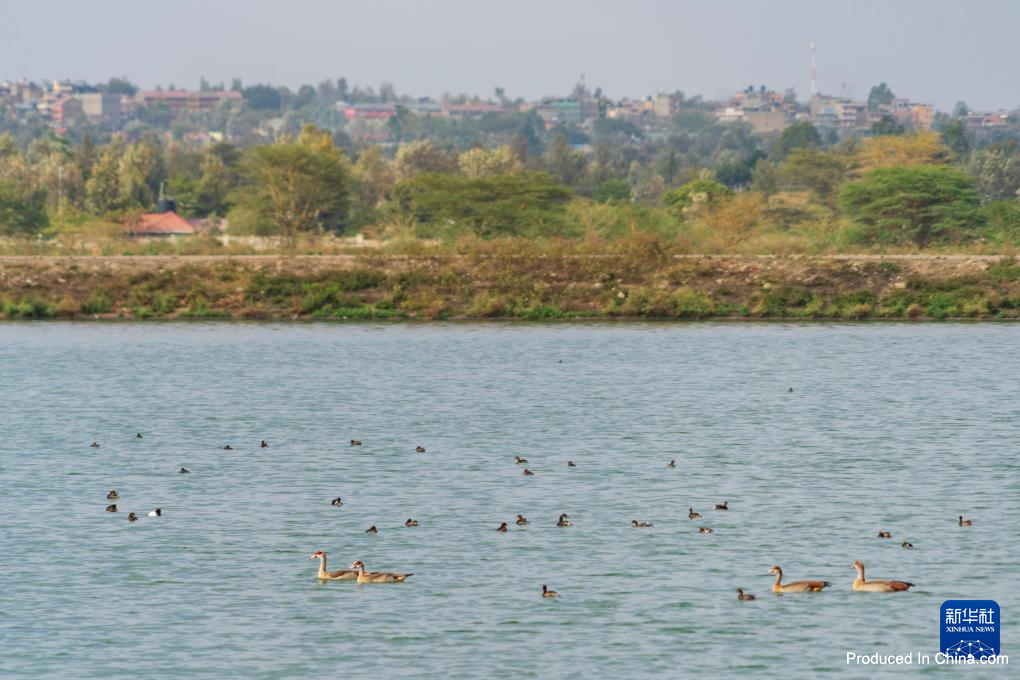
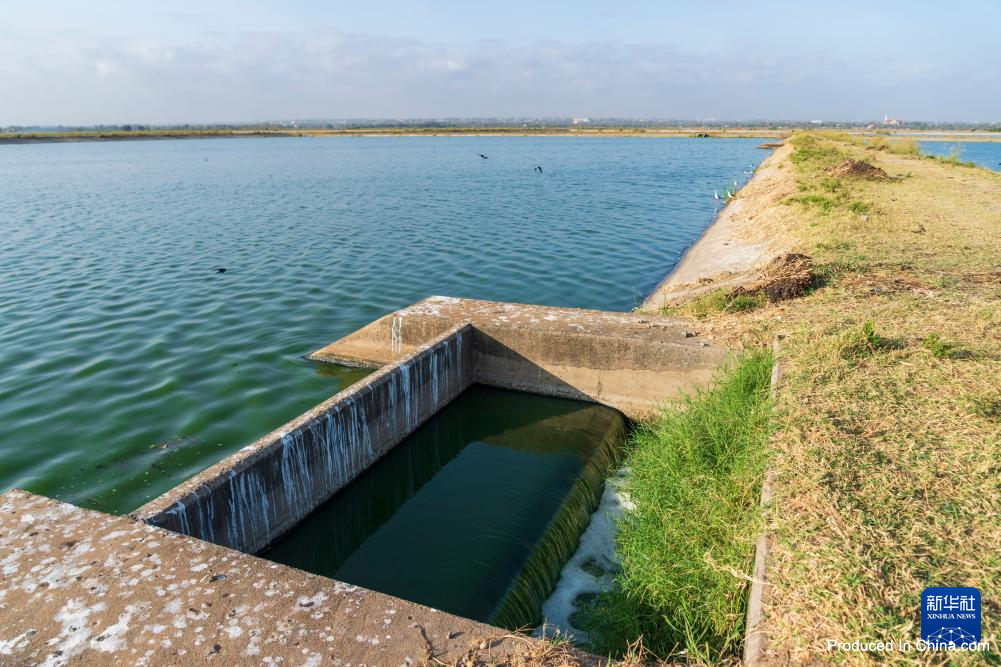
In Kenya’s capital Nairobi, home to about 5 million people and thousands of factories, large volumes of domestic and industrial wastewater flow daily through drains to the Dandora Wastewater Treatment Plant in the city’s southeast. When this reporter recently visited the facility — the city’s ’kidney’ treating 80% of Nairobi’s wastewater — what came into view were endless emerald-green ponds, more like a wetland reserve than a sewage plant.
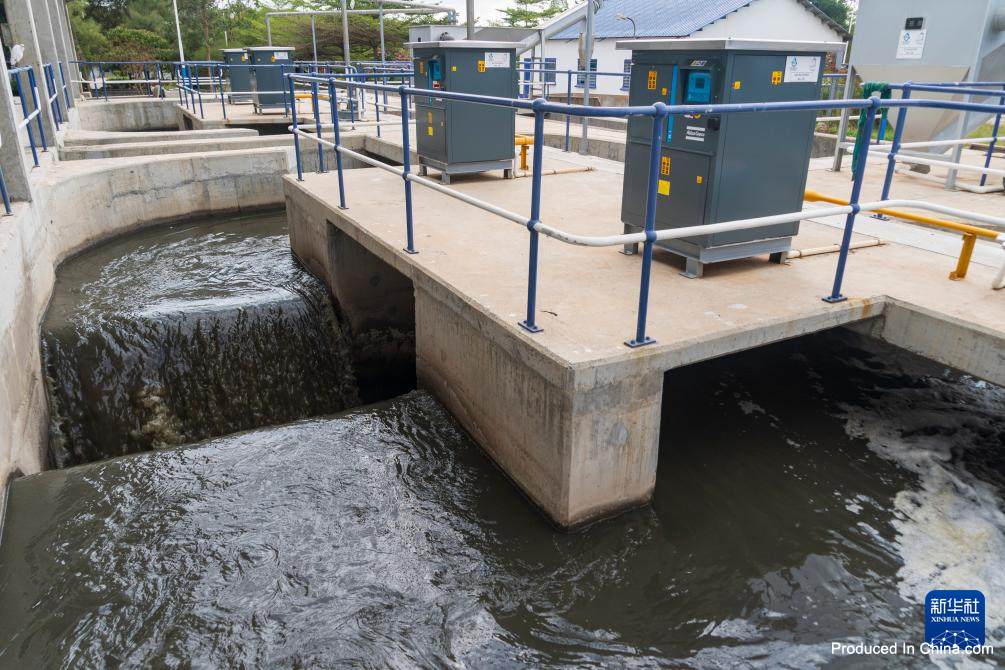
At the inlet, however, the scene is different: ink-black sewage surges in with garbage, and the stench is nauseating.
The transformation from dirty to clean owes much to a Chinese company’s rehabilitation and expansion of Dandora. ’The sewage goes through anaerobic sedimentation and bacterial decomposition, plus disinfection by the intense ultraviolet light of the East African plateau, and becomes clean again, returning to nature,’ said Huang Youming, deputy manager of the rehabilitation and expansion project for China’s Jiangxi Coal Construction Group.
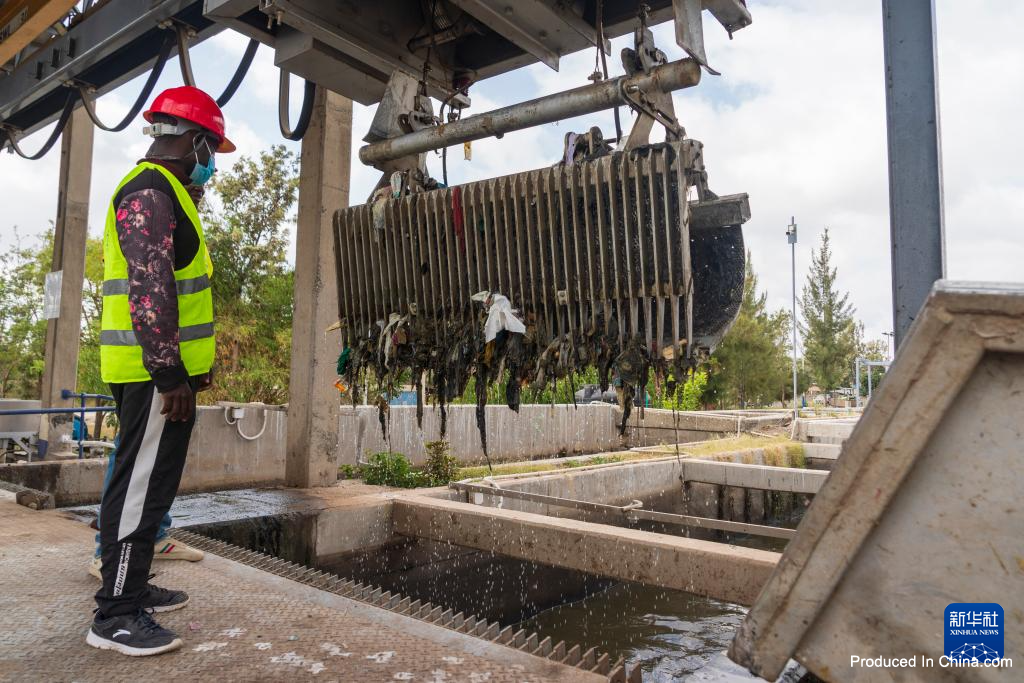
The pretreatment zone at the inlet was the focus of the upgrade. The old system relied on manual skimming; at high volumes, garbage and sediment clogged it like ’kidney stones’. Jiangxi Coal built an automatic screening system: grabs on coarse screens remove bulky garbage, fine screens filter small sediment layer by layer, and conveyors carry solid waste to waiting trucks.
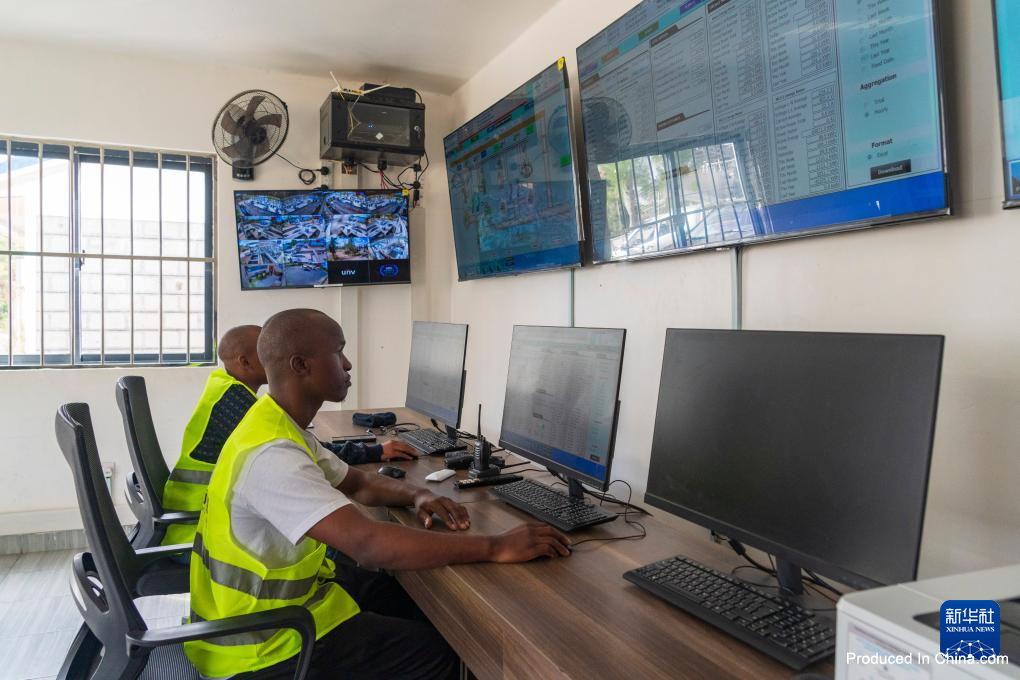
The upgraded system intercepts 95% of solid waste and 90% of sediment, doubling the inlet’s treatment capacity. ’Before, workers had to stand over stinking sewage to fish out garbage — harmful to health and dangerous,’ said mechanical engineer Dennis Kioko. Now he completes most operations from the control room on a computer.
Before the project began, the foul site drove many companies away. The Chinese company persisted, completing the project and improving the surroundings; the days of sewage everywhere and garbage strewn about are gone, replaced by lush grass and greenery.
’Facts prove our choice was right,’ said James Mwaura, acting director of planning and design at the Athi Water Works Development Agency. ’Chinese companies always deliver efficiently and with high quality on time. Each successful cooperation has deepened our mutual trust.’
Common African wastewater treatment relies on natural biological processes — low cost and simple maintenance, but land-intensive and inefficient. In fast-growing African cities like Nairobi, the widening treatment gap is a challenge.
China’s advanced, mature wastewater treatment technology and water-environment governance philosophy offer a Chinese solution for African countries facing urban water challenges. For land-scarce dense cities like Nairobi, Chinese companies have accumulated rich experience in ’underground wastewater plants’ and industrial ’zero liquid discharge’.
Mwaura recently inspected China and marveled at its water governance achievements. ’Many parts of the world, developing and developed alike, are adopting Chinese solutions — we need them too,’ he said. ’When we upgrade and expand in the future, excellent Chinese companies will still be our first choice.’

