


BEIJING, Oct. 28 (Xinhua) -- Time magazine recently argued that China will transform from the "world's factory" into an exporter of technology and capability, "a fundamentally different model of globalization" that does not merely ship products of China's industrial ecosystem but gives other countries access to the knowledge embedded within it.
Britain's Financial Times reported that as more Chinese companies set up in Africa, the continent gains jobs while upgrading its economic value chains and developing regional supply chains. The Wall Street Journal commented that supplying the world's factories has become a new direction for Chinese exports, with China becoming "the factory of factories."
These judgments point to an important shift: China's role in the world economy is expanding from producer of goods to organizer of production.
Customs data show that in the first three quarters of this year, the equipment manufacturing sector contributed nearly 90 percent of the increase in China's exports, while intermediate goods accounted for more than half of total export value, anchoring global industrial and supply chains.
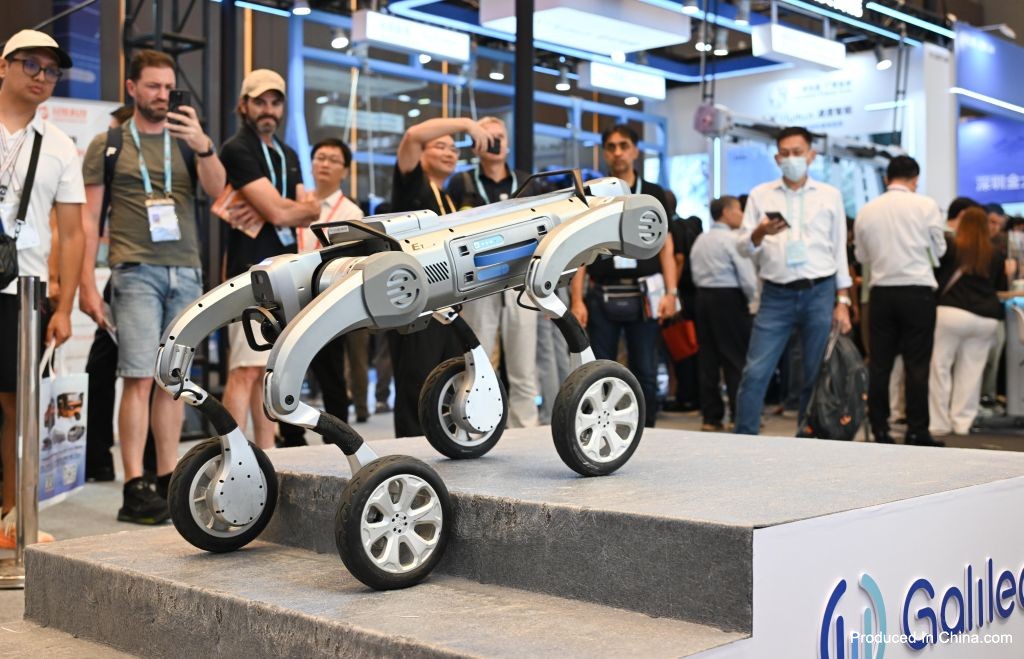
Electronic assembly lines in Southeast Asia, car plants in Europe and building-materials workshops in Africa often depend on parts, equipment and materials from China. "China is gradually moving from a major supplier of products to an enabler of industrialization," said Gu Qingyang of the Lee Kuan Yew School of Public Policy at the National University of Singapore.
If intermediate goods address how things are made, outbound investment addresses how production is organized. Building production lines, training local workers to operate modern equipment and establishing localized supply systems usually require companies to be physically present.
China's outbound direct investment in all sectors reached 128.62 billion U.S. dollars in the first nine months of this year. By the end of 2025, China's stock of outbound investment stood at nearly 3.4 trillion dollars, ranking among the world's top three for nine consecutive years.
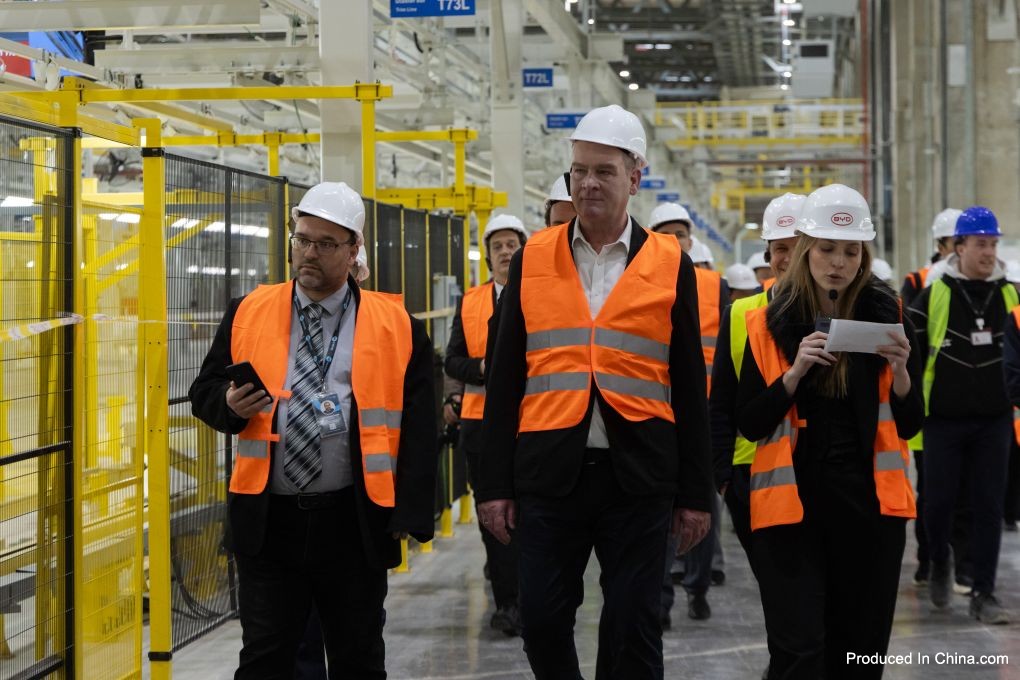
BYD's new energy passenger vehicle plant in Hungary represents a total investment of about 4 billion euros with planned annual capacity of 300,000 vehicles, while its European headquarters and R&D center in Budapest allow new models to be designed to European road standards from the drafting stage.
The China-Egypt TEDA Suez Economic and Trade Cooperation Zone had attracted more than 200 companies and over 4.7 billion dollars in cumulative investment by the end of June, creating more than 10,000 direct jobs. A Chinese-funded glass factory in Tanzania has trained nearly 1,000 skilled workers.
Against the backdrop of the technological revolution, this role change reflects the evolution of global industrial division of labor. Spreading the capacity to organize production extends the benefits of technological progress from a handful of Western countries to the wider Global South.
Some countries have tried to erect trade barriers citing "shocks" or "squeezing." But protectionist measures often harm their own production capacity: when high tariffs are imposed on intermediate goods such as new energy batteries and auto parts, domestic automakers face higher costs and supply delays -- what is called de-risking turns into de-capacity.

