


For photography enthusiasts, lens sharpness and autofocus leave no room for compromise; for running shoe devotees, materials and design are closely scrutinized. In the past, these discerning consumers gravitated to established international names. Today, Chinese brands are entering their field of view.
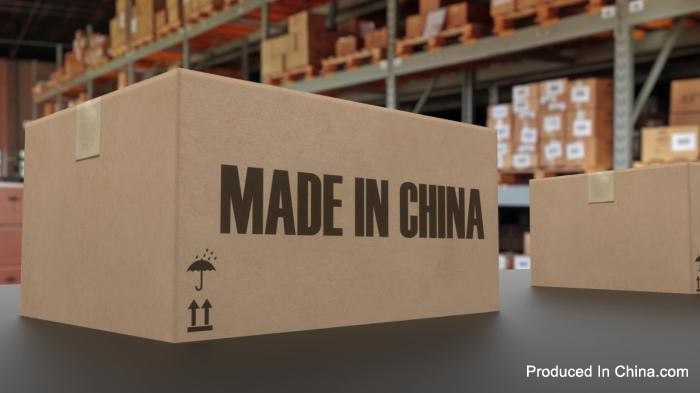
"Photographers, fountain pen enthusiasts and running shoe collectors are going out of their way to get their hands on certain Chinese brands," Bloomberg reported recently, noting that "Made in China" is no longer only about price but has become a status symbol.
Atul, an associate professor at Burgundy School of Business in France, observed that Generation Z consumers increasingly favor Chinese brands because they respond quickly to changing trends and because China is seen as cool in innovation and technology.
"The popularity of Chinese brands is about products on the surface, but about identity and meaning underneath," said Jia Jingjing, a senior researcher at the Chongyang Institute for Financial Studies at Renmin University of China. Brand is a symbol carrying meaning, he said, and where Western brands once dominated that supply, a new generation of consumers wants new expressions.
Quality is the starting point for recognition. Earlier this year, a Chinese training running shoe went viral in overseas running circles for its light weight, speed and use of high-performance midsole foam usually reserved for expensive models. The brand had not yet entered the U.S. market and offered little information online, yet runners who bought it shared reviews that turned comment sections into buying guides.
Similar shifts are visible in fountain pens and folding knives, where Chinese manufacturers have won praise for original design and workmanship comparable to premium European and American brands.
"What some companies lack is not production capacity but brands," said Zhou Yuanzhu, a member of the quality and brand development group of the national manufacturing strategy advisory committee. Decades of contract manufacturing have given Chinese firms capabilities in production, R&D and quality management.
Responsiveness matters too. Chris Lee, a YouTube reviewer of Fujifilm equipment, said consumers used to question Chinese-made lenses automatically, but "that conversation has almost disappeared." After he flagged an issue in a video, the company fixed it with a firmware update within two weeks.
Matt Klein, founder of a U.S. running shoe review site and a physical therapist, said some Chinese shoes match international brands in quality and show more careful biomechanical design, while smaller brands are willing to try areas that bigger players avoid.
"Going global, Chinese brands need to strengthen overseas channels, after-sales service and localized operations, and translate Chinese culture into brand expressions that overseas consumers can understand," Jia said.
Superior quality opens doors, continuous innovation builds reputation, and listening to users expands markets -- "Made in China" is now building brands of its own.

